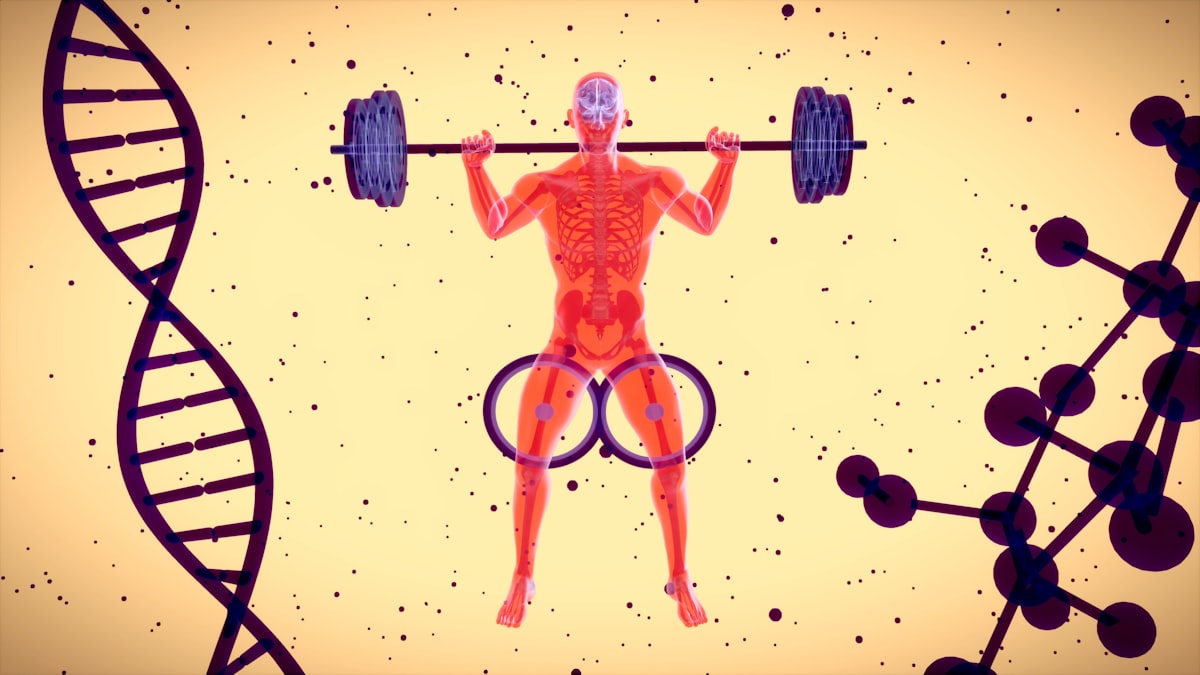
Most people notice that staying at the same weight gets harder as they get older. It's not just perception — your metabolism genuinely changes with age. But the reasons are more nuanced than the common saying 'your metabolism slows down,' and the timeline may surprise you.
What Is Metabolism?
Your metabolic rate is the total number of calories your body burns in a day. It has three components: basal metabolic rate (BMR — the energy needed to keep you alive at rest, accounting for 60–70% of total calorie burn), the thermic effect of food (energy used digesting meals, about 10%), and activity — both deliberate exercise and unconscious movement like fidgeting and posture maintenance. When people say metabolism slows, they usually mean BMR is declining.
When Does Metabolic Decline Actually Begin?
Conventional wisdom held that metabolism starts slowing in your 30s. A landmark 2021 study published in Science, analyzing data from 6,400 people aged 8 to 95, found something more nuanced. Metabolic rate per unit of body mass is stable from roughly age 20 to 60. The real decline begins after 60 and accelerates after 90. The 'metabolism slows in your 30s' belief likely reflects the effects of muscle loss and reduced activity rather than a fundamental change in cellular metabolism.
Metabolic Rate by Decade
While overall metabolic rate per kilogram of lean mass is relatively stable until 60, total daily calorie needs do shift with age. A 25-year-old man of average weight burns roughly 2,500–2,800 calories per day. By age 55, the same man — if he has lost muscle mass and reduced activity — may burn 300–500 fewer calories per day. By age 75, the decline can be more pronounced. The key variable is how much muscle has been preserved. Well-trained older adults often have metabolic rates close to those of sedentary people 20 years younger.
The Muscle Loss Connection
The biggest modifiable driver of age-related metabolic decline is muscle loss. Sarcopenia — the gradual loss of skeletal muscle mass — can begin as early as the 30s at a rate of 3–5% per decade, then accelerates significantly after 60. Since muscle tissue burns roughly three times more calories at rest than fat tissue, losing muscle directly lowers your resting calorie burn. A person who loses 10 pounds of muscle over two decades burns approximately 120 fewer calories per day at rest, without doing anything differently.
Hormonal Changes With Age
Testosterone in men and estrogen in women decline with age, and both hormones support muscle maintenance and fat metabolism. In men, testosterone declines by roughly 1–2% per year after 30. In women, estrogen drops sharply at menopause. Both declines contribute to body fat redistribution — particularly toward the abdomen and away from the hips and thighs — even without any weight changes. This visceral fat accumulation carries metabolic consequences including insulin resistance and increased cardiovascular risk.
Menopause and Metabolic Changes
Menopause marks one of the most significant metabolic transitions a woman can experience. The drop in estrogen directly affects where fat is stored (more visceral, less peripheral), how insulin sensitive the body is, and how efficiently energy is used during exercise. Many women gain 2–5 pounds in the years around menopause even without changing their diets. Hormone replacement therapy (HRT) can mitigate some of these metabolic effects for appropriate candidates — a decision best made with a physician weighing individual risk factors.
Brown Fat and Its Role in Metabolism
Not all fat is metabolically inert. Brown adipose tissue (brown fat) is a specialized fat that generates heat by burning calories — a process called thermogenesis. Infants have large amounts of brown fat; adults have much less, concentrated around the neck and spine. Research shows that older adults have less active brown fat than younger adults, contributing modestly to the metabolic decline with age. Cold exposure and certain dietary compounds have been studied as ways to activate brown fat, though evidence for meaningful metabolic impact in humans remains preliminary.
Thyroid Function and Metabolism
The thyroid gland produces hormones that regulate metabolic rate across virtually every cell in the body. Thyroid function can decline subtly with age, and subclinical hypothyroidism — where thyroid stimulating hormone (TSH) is mildly elevated but the person has few obvious symptoms — becomes more common in adults over 60. Undiagnosed thyroid issues can account for unexplained weight gain, fatigue, and cognitive slowness. A simple blood test measuring TSH is the standard screening tool and is worth checking if metabolic changes seem disproportionate to lifestyle.
Gut Microbiome Changes With Age
The gut microbiome — the community of trillions of bacteria living in the digestive tract — changes significantly as people age. Older adults tend to have less microbial diversity and a shift in the balance of bacterial species compared to younger adults. The gut microbiome influences how efficiently calories are extracted from food, how inflammation is regulated, and how well insulin signaling functions. Fermented foods (yogurt, kefir, kimchi), fiber-rich diets, and in some cases probiotic supplementation may help maintain a healthier microbiome profile with age.
The Role of Inflammation in Metabolic Aging
Chronic low-grade inflammation — sometimes called 'inflammaging' — is a hallmark of biological aging. Inflammatory cytokines impair insulin signaling, promote fat storage, and accelerate muscle breakdown. Poor diet, sedentary behavior, inadequate sleep, excess body fat, and psychological stress all promote inflammaging. Anti-inflammatory diets like the Mediterranean diet, which emphasizes olive oil, oily fish, legumes, and colorful vegetables, have been associated with better metabolic markers and slower biological aging in multiple long-term studies.
The Mediterranean Diet and Metabolic Aging
The Mediterranean diet consistently outperforms other dietary patterns in long-term metabolic health research. Studies following older adults for 5–10 years find that higher adherence to Mediterranean-style eating is associated with lower rates of type 2 diabetes, less muscle loss, better insulin sensitivity, and lower inflammatory markers. The diet's emphasis on healthy fats, high-fiber plant foods, and lean protein supports the metabolic machinery at multiple levels simultaneously.
Exercise Prescription for Metabolic Health at Different Ages
The exercise that best supports metabolic health shifts somewhat as you age. In your 30s and 40s, a combination of strength training and aerobic exercise maintains muscle and metabolic rate. From your 50s onward, resistance training becomes even more critical as the hormonal environment is less supportive of muscle building — you need more stimulus to achieve the same adaptation. In your 60s and beyond, balance and mobility work should be added to reduce injury risk. At every age, even moderate amounts of physical activity — 20–30 minutes of walking per day — confer significant metabolic benefits compared to complete inactivity.
What You Can Do: A Summary
- Strength train consistently — resistance exercise 2–4 times per week is the most effective way to preserve and rebuild muscle at any age
- Eat adequate protein — at least 0.7 g per pound of body weight daily, or more (up to 1 g) if actively training
- Stay active throughout the day — reduce sitting time, take walks, use stairs; non-exercise activity burns more calories than most people realize
- Prioritize sleep — growth hormone, which supports muscle repair, is mostly released during slow-wave sleep
- Manage inflammation — emphasize whole foods, minimize ultra-processed food and added sugar
- Get regular health checks — thyroid function, blood glucose, and lipid panels can catch metabolic shifts early
Supplements and Metabolism: Evidence vs. Hype
The supplement industry makes extensive claims about metabolic boosters. Most have weak or no evidence for meaningful effects in healthy adults. Exceptions with some supporting research include creatine monohydrate (supports muscle mass and strength, especially useful with resistance training in older adults), vitamin D (deficiency is common and associated with poor metabolic health), and omega-3 fatty acids (modestly reduce inflammation and support muscle protein synthesis). Green tea extract and caffeine have demonstrated small, temporary metabolic boosts in controlled studies, but the effect is modest and diminishes with tolerance.
Age-related metabolic changes are real but largely modifiable. Active older adults consistently maintain significantly higher metabolic rates than sedentary peers of the same age.
Use our BMI Calculator to track your weight relative to height →
Sources and further reading
Figures such as tax slabs, contribution limits and interest rates change over time. Always confirm the current values with the primary source before acting on them.