
You've probably heard 'drink 8 glasses of water a day.' It's one of the most repeated health tips — and one of the least evidence-based. Actual hydration needs vary significantly by body size, activity level, climate, and diet, and the eight-glasses figure has a surprisingly murky origin. Here is what the science actually says.
The Origin of the '8 Glasses' Myth
The eight-glasses recommendation is most often traced to a 1945 U.S. Food and Nutrition Board guideline that stated adults need about 2.5 liters of water per day. What is almost always omitted is the very next sentence: 'Most of this quantity is contained in prepared foods.' The guideline never said you needed to drink eight glasses — it acknowledged that food contributes the majority. Over subsequent decades the caveat was lost and the raw number survived, repeated in health columns and advertising until it became medical folklore.
What the Research Actually Recommends
The National Academies of Sciences recommends about 3.7 liters (125 oz) of total water per day for men and 2.7 liters (91 oz) for women — but this includes water from all sources: beverages, food, and metabolic water produced during digestion. On average, roughly 20% of daily water intake comes from food. Adjusting for this, the beverage target for most adults is closer to 2–3 liters per day, not a rigid eight glasses, and individual variation is substantial.
How Your Body Regulates Hydration
The body's primary hydration-control mechanism is the hormone antidiuretic hormone (ADH), also called vasopressin, released by the pituitary gland. When blood osmolality rises — meaning blood is becoming more concentrated — ADH instructs the kidneys to conserve water by producing more concentrated urine. Simultaneously, the thirst mechanism activates, prompting you to drink. This system is remarkably precise: healthy adults begin to feel thirsty at about 1–2% body water loss, well before any significant impairment occurs. For most healthy, non-athletic adults in temperate climates, drinking to thirst is a fully adequate hydration strategy.
Water Content in Common Foods
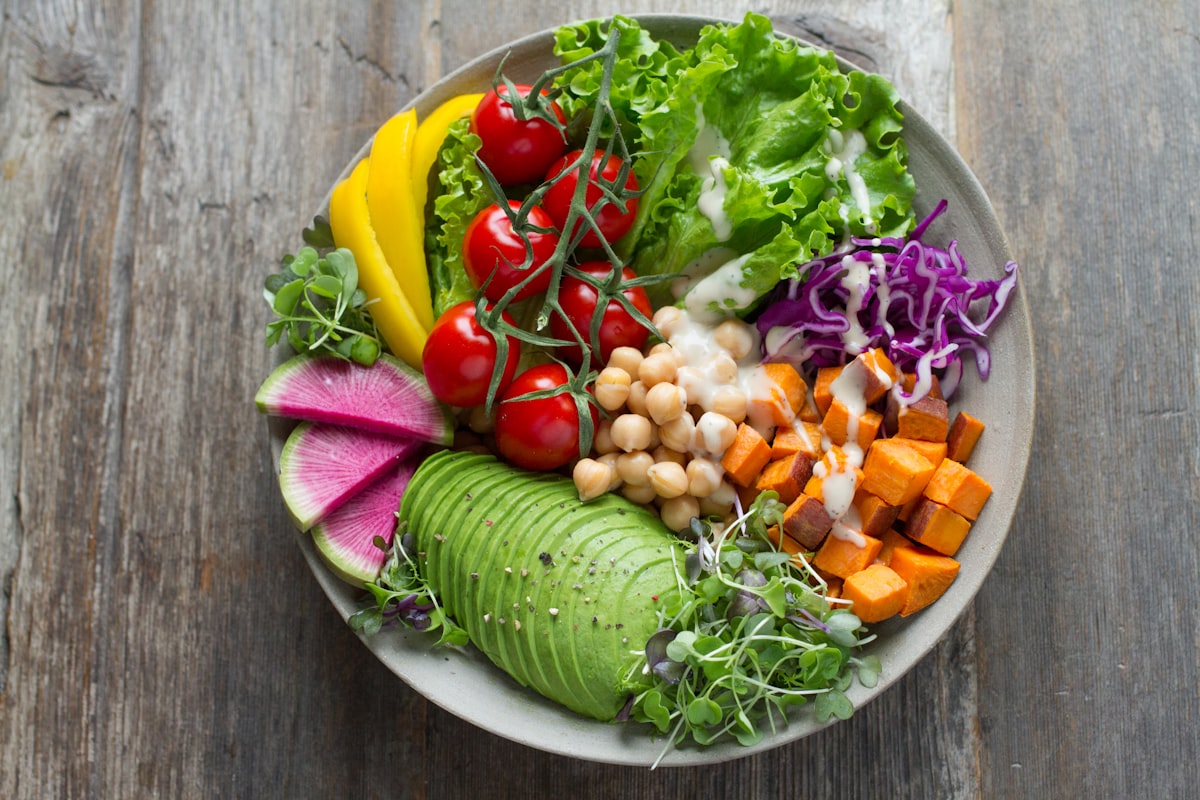
Many foods contribute substantially to daily hydration, and this is frequently underappreciated. Cucumber and lettuce are over 95% water by weight. Watermelon, strawberries, and grapefruit are above 90%. Cooked oatmeal is roughly 84% water. Even foods that seem dry contribute — bread is about 37% water and cooked rice around 70%. A diet rich in vegetables, fruits, and soups can contribute 700–1,000 ml of water per day or more, a significant fraction of total needs.
Electrolytes: Why Plain Water Isn't Always Enough
Water alone does not fully restore hydration if significant sweat losses have occurred, because sweat contains electrolytes — primarily sodium, potassium, chloride, and magnesium. Sodium is the most important: it governs fluid retention in the body's tissues and blood plasma. Drinking large volumes of plain water during prolonged exercise without replacing sodium can dilute blood sodium levels, a dangerous condition called hyponatremia. For exercise lasting less than one hour, plain water is generally sufficient. For longer sessions, sports drinks, electrolyte tablets, or salty foods are recommended.
Signs of Dehydration at Different Levels
- 1% body water loss: Mild thirst, slight decrease in cognitive performance
- 2% body water loss: Noticeable thirst, reduced endurance, decreased reaction time
- 3–4% body water loss: Headache, irritability, reduced strength and aerobic capacity
- 5% body water loss: Nausea, cramping, significant impairment in concentration and short-term memory
- 8%+ body water loss: Dizziness, confusion, rapid heartbeat — medical emergency territory
Hyponatremia: The Risk of Over-Hydrating
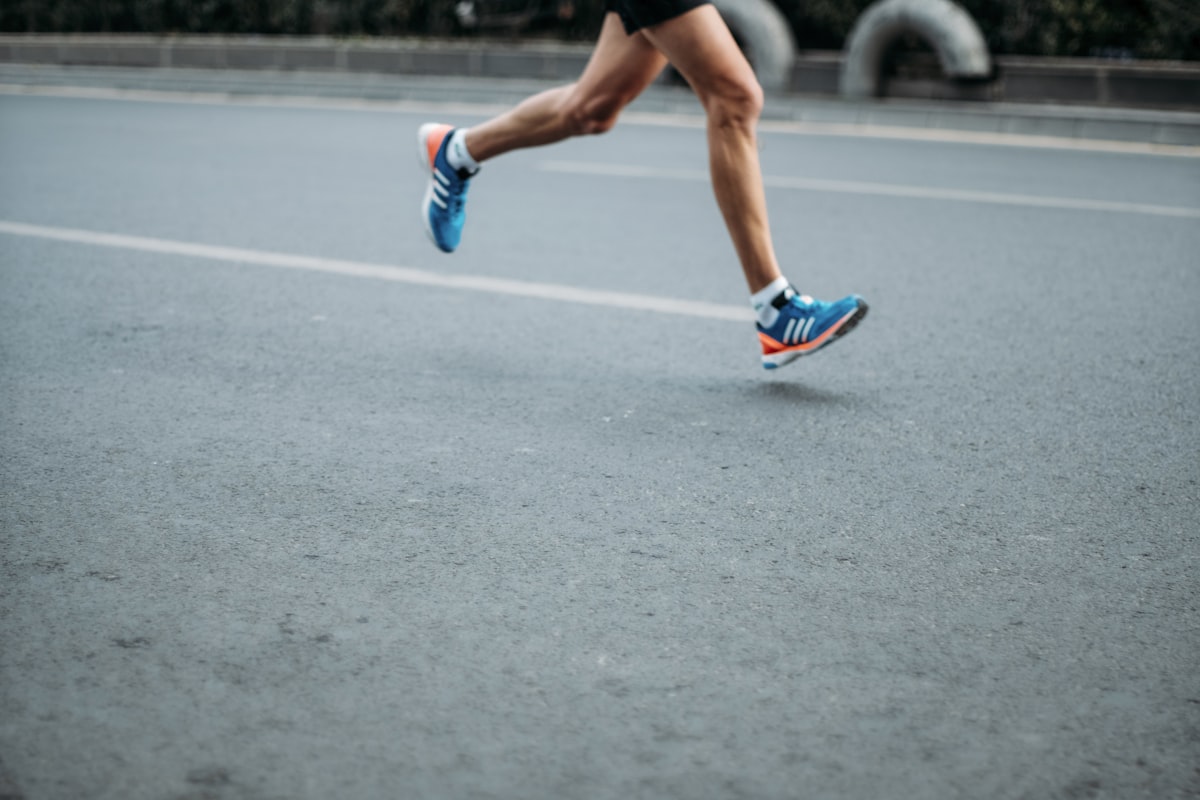
While rare in everyday life, hyponatremia — dangerously low blood sodium from excess water intake — is a genuine risk in endurance events. It has caused deaths in marathon and ultramarathon runners who consumed water at every aid station regardless of thirst. The condition produces symptoms remarkably similar to dehydration (nausea, confusion, headache), which can lead well-meaning bystanders to administer more water, worsening the problem. Current guidance from sports medicine organizations is to drink to thirst rather than following rigid intake schedules during exercise.
Hydration for Athletes: Sweat Rate Testing
Athletes with high training loads benefit from knowing their individual sweat rate to develop accurate rehydration plans. The method is straightforward: weigh yourself nude before and after a one-hour training session during which you drink a known volume of fluid. Each kilogram of body weight lost equals approximately one liter of sweat. Elite athletes can lose 1–2.5 liters per hour in hot conditions. Sports dietitians typically recommend replacing 125–150% of sweat losses over the 4–6 hours following exercise to restore euhydration.
Best Beverages for Hydration (Ranked)
- Water: The gold standard — zero calories, immediate absorption
- Milk (skimmed or semi-skimmed): Excellent hydration due to electrolytes and protein that prolong fluid retention
- Oral rehydration solutions: Optimal for illness or heavy exercise
- Fruit juices and smoothies: Good hydration but contain significant sugars
- Tea and coffee: Count toward fluid intake; mild diuretic effect is outweighed by fluid volume
- Sports drinks: Useful during exercise >60 min; otherwise unnecessarily high in sugar
- Alcohol: Net dehydrating at more than 2–3 standard drinks
Hydration, Cognitive Performance, and Mood
Research consistently finds that even mild dehydration — as little as 1–2% body water loss — impairs cognitive functions including attention, working memory, and reaction time. A 2012 study in the Journal of Nutrition found that mildly dehydrated women reported increased fatigue, lower mood, and difficulty with concentration tasks, even at rest. The mechanisms likely involve reduced cerebral blood flow and changes in neurotransmitter availability. Staying adequately hydrated is one of the simplest and most affordable cognitive performance strategies available.
Factors That Increase Your Daily Needs
- Physical exercise: Add 0.5–1 liter per hour of moderate exercise; more in heat
- Hot and humid weather: Sweat losses can exceed 1 liter per hour passively
- High altitude: Accelerated breathing increases respiratory water vapor loss
- Pregnancy: Increased plasma volume and fetal needs add approximately 300 ml/day
- Breastfeeding: Additional 700 ml/day recommended to support milk production
- High-fiber diet: Dietary fiber absorbs water in the gut and requires more fluid intake
- Kidney disease or kidney stones: Medical guidance varies; some conditions require increased or restricted fluid
The Best Hydration Indicator
Urine color remains the most practical real-time hydration gauge for everyday use. Pale straw yellow to light yellow indicates good hydration. Dark yellow or amber signals the need for more fluid. Clear, colorless urine may indicate mild over-hydration and unnecessary kidney load, while consistently dark urine is a warning sign worth addressing. Note that B-vitamin supplements can turn urine bright yellow regardless of hydration status, making this gauge temporarily unreliable.
The simplest, most evidence-backed hydration advice: drink when you're thirsty, aim for pale yellow urine throughout the day, and increase intake during exercise and hot weather. For the vast majority of healthy adults, thirst is a reliable and sufficient guide — no rigid glass-counting required.