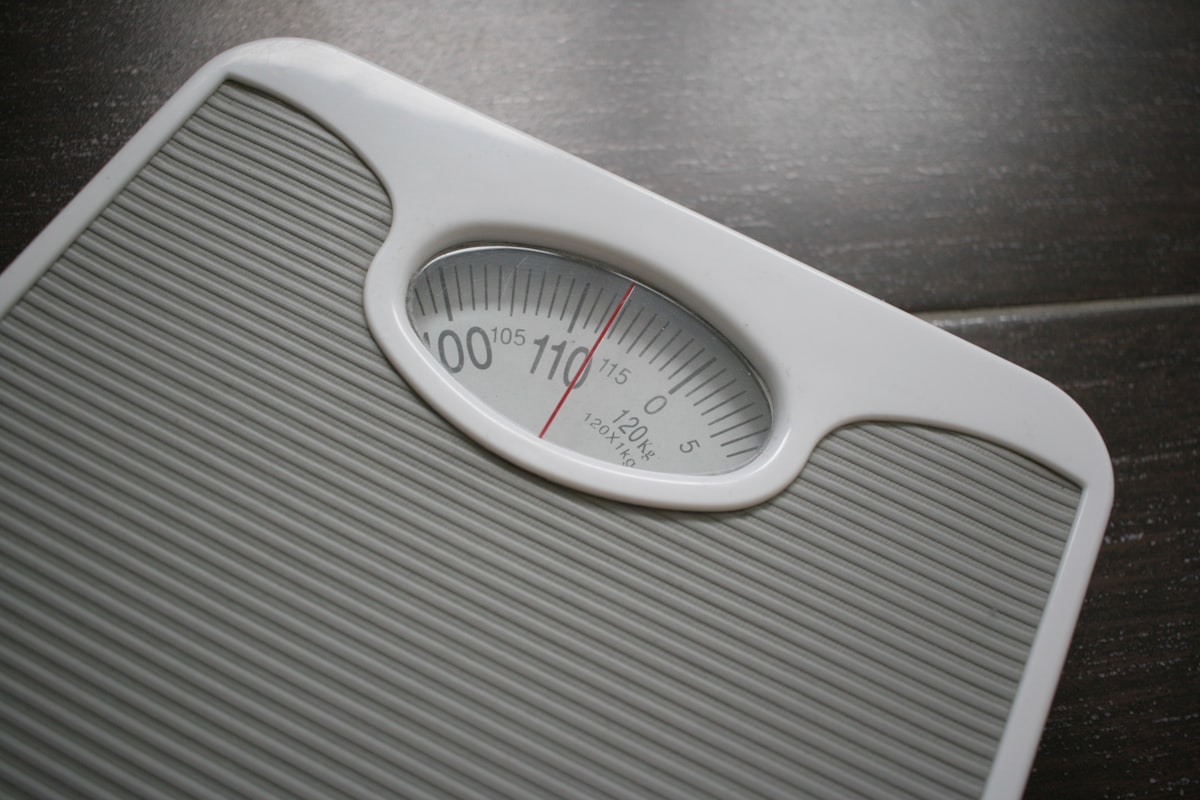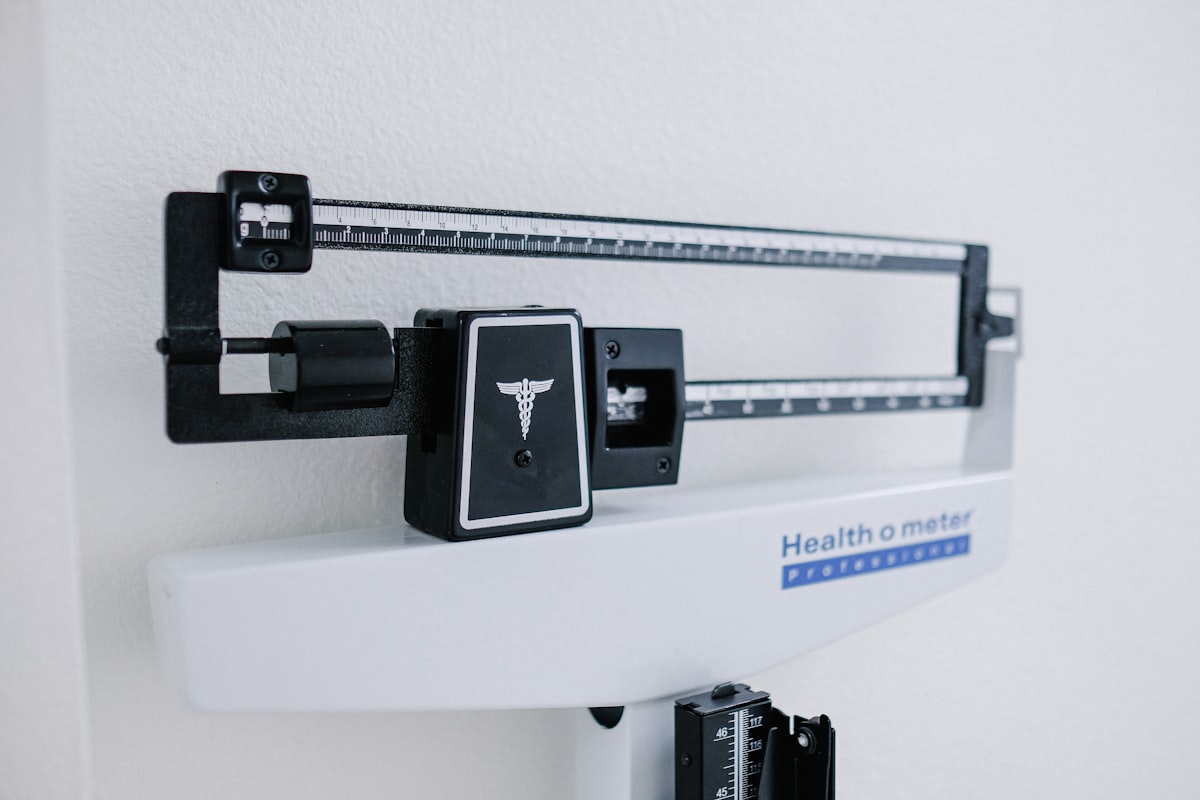

Body Mass Index, or BMI, is a number calculated from your height and weight. It gives a quick snapshot of whether your weight falls into a range considered healthy for your height. Although it sounds technical, the idea behind it is simple: taller people can carry more weight without health risks, so BMI adjusts for that. The result is a single number that, despite its limitations, remains one of the most widely used health screening tools in the world.
Where Did BMI Come From?
BMI was invented in the 1830s by Belgian mathematician Adolphe Quetelet. He wasn't a doctor — he was a statistician studying population trends. His 'Quetelet Index' wasn't meant to measure individual health; it was designed to describe averages across large groups of people for social science research. He noticed that in a healthy population, weight tended to scale with the square of height — and that relationship became the foundation of the formula still used today.
Modern medicine didn't widely adopt BMI until the 1970s, when physiologist Ancel Keys conducted a landmark study comparing various weight-for-height indices and concluded that the Quetelet Index was the most practical. The term 'Body Mass Index' was coined by Keys himself in 1972. Shortly after, insurance companies and public health agencies began using it to classify weight-related health risk at a population scale — a use Quetelet never envisioned.
How Is BMI Calculated?
The formula is straightforward. In metric units, you divide your weight in kilograms by your height in meters squared. So if you weigh 70 kg and stand 1.75 m tall, your BMI is 70 ÷ (1.75 × 1.75) = 22.9. In imperial units, the formula uses pounds and inches with a correction factor of 703 to convert to the same scale. Both formulas produce identical results when measurements are accurate.
What Do the Numbers Mean?
The World Health Organization classifies BMI into four main categories for adults. These cutoffs are used globally in clinical settings, public health studies, and insurance assessments.
- Below 18.5 — Underweight
- 18.5 to 24.9 — Healthy weight
- 25.0 to 29.9 — Overweight
- 30.0 to 34.9 — Obesity Class I
- 35.0 to 39.9 — Obesity Class II
- 40.0 and above — Obesity Class III (severe)
Why Do Doctors Use BMI?
Doctors use BMI as a first screening step because it costs nothing and takes seconds. A person with a BMI above 30 has a statistically higher risk of type 2 diabetes, heart disease, sleep apnea, and certain cancers. That doesn't mean every high-BMI person will develop these conditions — but it flags people who may benefit from further testing, lifestyle counseling, or medical intervention.
From a public health perspective, BMI is invaluable. Tracking BMI trends across populations over decades reveals the rise of obesity as a global health crisis. It enables researchers to compare weight-related health outcomes across countries, age groups, and time periods — data that would be impossible to gather using expensive techniques like DEXA scans or body fat testing.
BMI for Different Populations
The standard WHO thresholds were developed primarily from studies of European populations. Research has since shown that people of Asian descent tend to develop metabolic complications — such as type 2 diabetes and cardiovascular disease — at lower BMI values. Many health authorities in Asia now recommend using 23.0 as the overweight threshold and 27.5 as the obesity threshold for East and South Asian individuals.
At the other end of the spectrum, some Pacific Islander and Polynesian populations appear to carry more muscle mass at comparable body fat levels, which can make standard BMI categories less accurate for them. Ongoing research continues to refine population-specific thresholds, and some clinicians now apply ethnicity-adjusted cutoffs in practice.
BMI in Children vs Adults
Adult BMI categories do not apply to children and teenagers. Because body composition changes dramatically during growth and differs between boys and girls at different ages, pediatric BMI is interpreted using age- and sex-specific growth charts expressed as percentiles. A child is considered overweight above the 85th percentile and obese above the 95th percentile relative to peers of the same age and sex.
What BMI Doesn't Tell You
BMI is blind to body composition. It cannot distinguish fat mass from muscle mass, bone density, or water weight. Two people with identical BMIs can have dramatically different health profiles: a well-muscled athlete may show a BMI of 27 while carrying very little body fat, while a sedentary person at the same BMI may have a dangerously high proportion of visceral fat around their organs. BMI also says nothing about where fat is stored — a critically important factor in metabolic disease risk.
Common Misconceptions About BMI
- Misconception: A 'normal' BMI means you are healthy — Body composition, blood pressure, blood sugar, and lifestyle habits all matter independently of BMI
- Misconception: A 'high' BMI always means too much fat — Muscular individuals routinely score in the overweight range despite low body fat
- Misconception: BMI is a precise diagnostic tool — It is a screening index, not a clinical diagnosis
- Misconception: Losing weight automatically improves health — If weight loss comes from muscle loss, metabolic health can worsen even as BMI falls
BMI vs Other Health Markers
A complete health picture requires looking beyond BMI. Waist circumference is a stronger predictor of heart disease risk than BMI alone — excess abdominal fat raises cardiovascular risk regardless of overall weight. Waist-to-height ratio (keeping your waist below half your height) is simple and powerful. Blood markers such as fasting glucose, HbA1c, triglycerides, and HDL cholesterol reveal metabolic health that BMI cannot capture.
Rule of thumb: think of BMI as the first question, not the last answer. It points you toward a conversation with your doctor — not away from one.
When to Be Concerned
If your BMI falls below 18.5, it is worth discussing potential causes with a doctor, as underweight status is associated with nutritional deficiencies, bone loss, and immune suppression. A BMI above 30 warrants a broader health assessment including blood pressure, blood glucose, cholesterol, and waist circumference. Even within the 'healthy' range, other risk factors can make preventive action worthwhile.
The Bottom Line
BMI is a useful starting point, not a final verdict. Use it alongside other measures — waist circumference, blood pressure, blood sugar, and how you feel day-to-day. It is most meaningful when tracked over time and interpreted in the context of your full health picture. A single number from a simple formula will never capture the full complexity of human health, but as a free, instant screening tool, BMI earns its place in preventive medicine.